

Topfenstrudel, also known as Austrian Cheesecake Strudel, is a beloved staple of Austria and Germany. A creamy filling made from Topfen or Quark results in a harmonious contrast between the flaky, pastry exterior and the soft, tangy interior.

Table of Contents
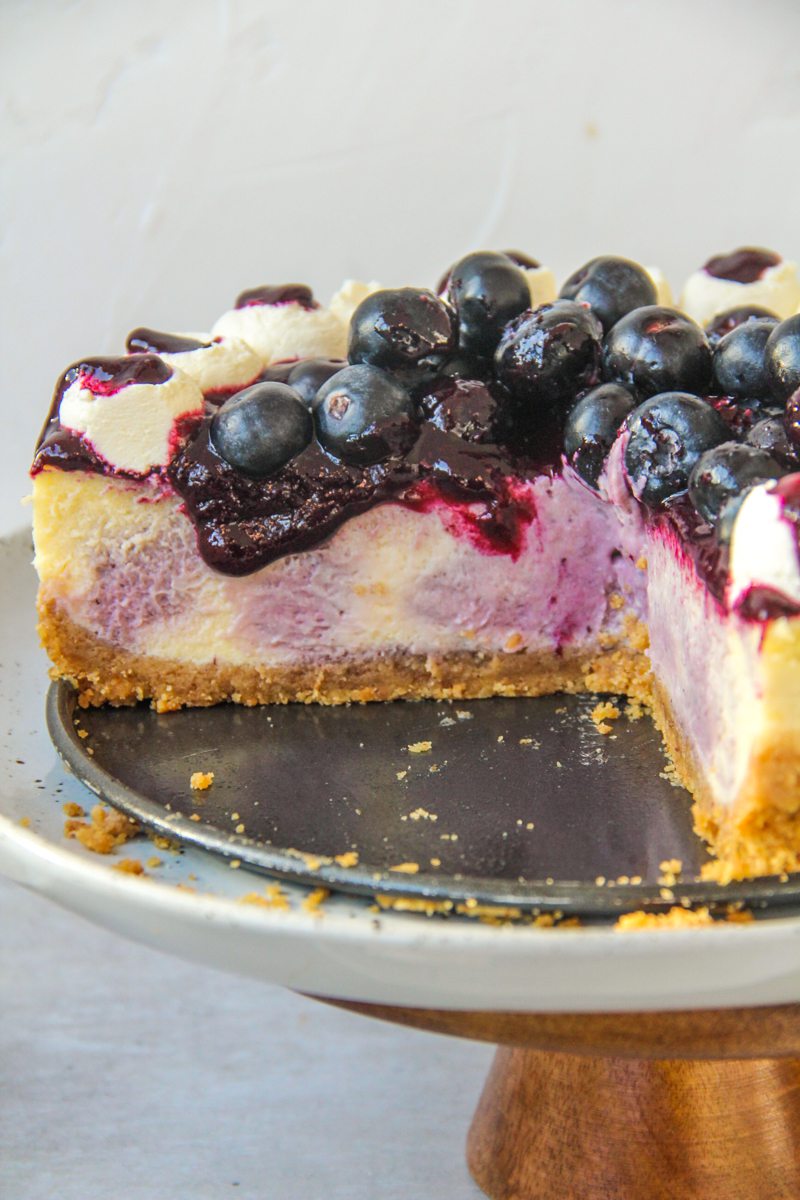
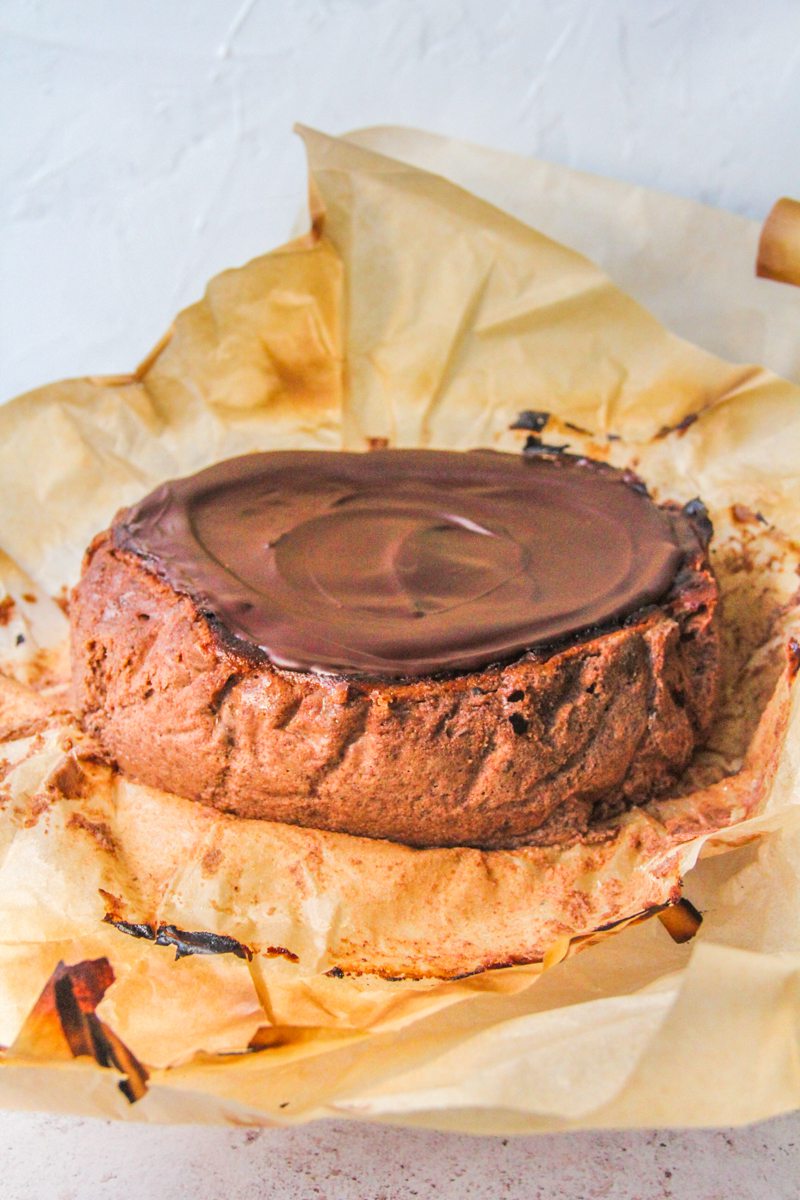
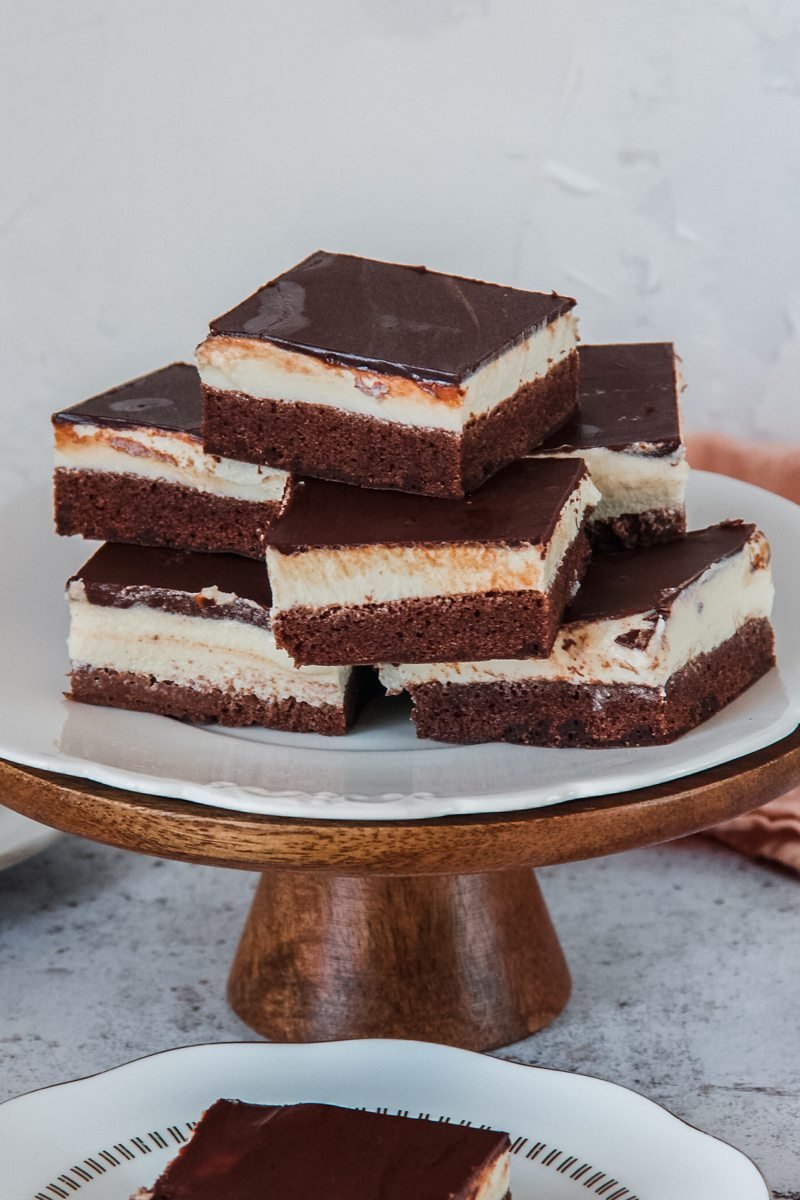
Europeans love cheesecake from this Estonian Rhubarb Crumble Cheesecake to this Czech chocolate three layer cake. Though if you prefer a more classic beloved Basque Cheesecake or there is nothing like a traditional New York Cheesecake slice. There is one to suit any mood!
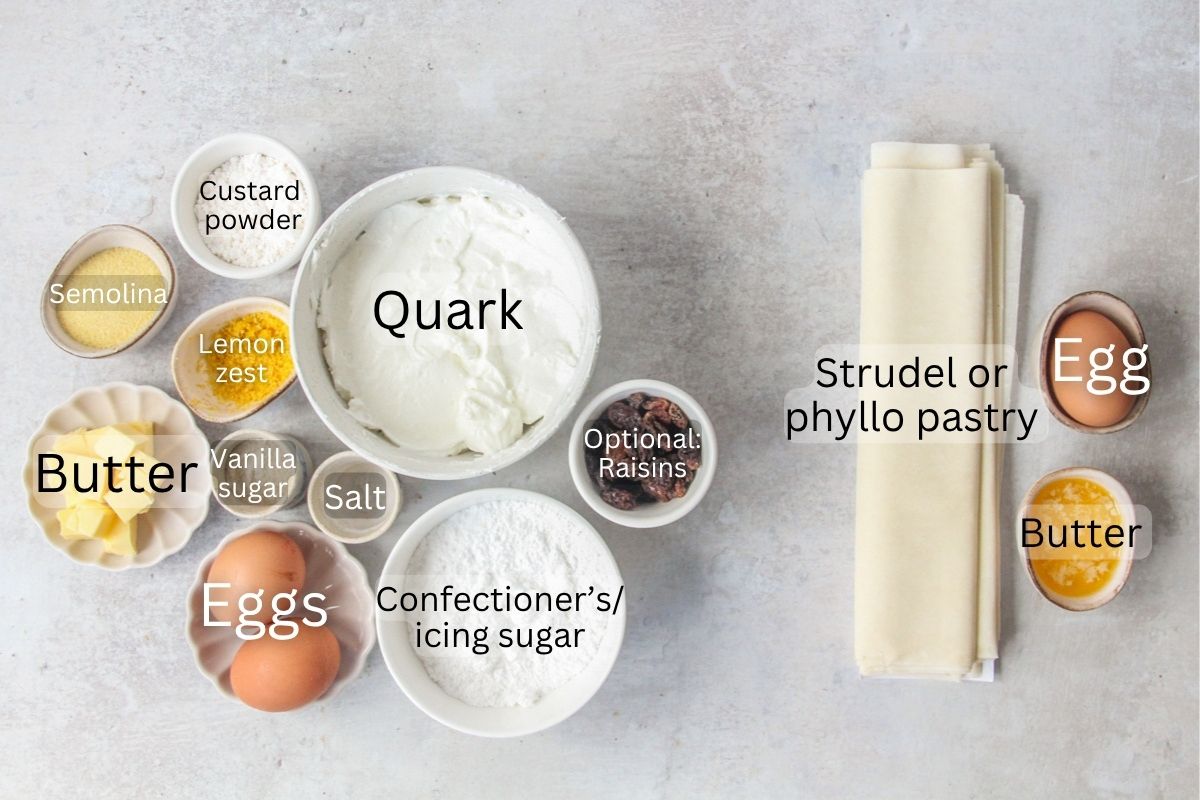
Ingredients and substitutions for Austrian Cheesecake Strudel (Topfenstrudel)
- Phyllo pastry: Thin layers of phyllo sheets or filo pastry create layers of beautiful light layers between this orange custard. You could replace with puff pastry, though this would likely result in a different texture. You can replace this storebought with a homemade strudel pastry as found here.
- Quark: Quark is more commonly used in Central Europe due to it’s very light creaminess. If you cannot readily purchase Quark one almost exact substitute would be Greek yogurt or fromage frais or a richer substitute would be drained ricotta in equal measure.
- Semolina: The semolina helps soak up some of the moisture from the cheesecake as they bake. You could substitute with plain flour, if you prefer.
- Custard powder: The light flavors in custard powder helps give filling a light custard undertone alongside eggs as well as thicken it during the baking phase.
- Raisins: A traditional ingredient in strudel, however, if you or someone don't like raisins in baking, simply omit them. The raisins do add a little additional sweetness and depth in flavor here (sometimes, they’re even soaked in rum for 15 minutes before being added to the cheesecake).
- Eggs: As well as adding structure to the filling, the eggs will bind everything together, so are essential.
- Lemon: Verna lemons were most easy to source for this recipe, but honestly, any unwaxed lemon you have on hand works. You will want the skin to be as blemish free as possible for the zest
See recipe card for quantities.

How to make Austrian Cheesecake Strudel (Topfenstrudel):

Step 1: Layer: Lay 1 phyllo sheet down and brush with butter. Repeat until all phyllo sheets are buttered and layered.

Step 2: Cheesecake: Place all the cheesecake ingredients (except egg whites and salt) into a bowl and combine.

Step 3: Whip: The egg whites until stiff.

Step 4: Combine: Stir the egg whites into the cheesecake mixture.

Step 5: Roll: Spoon the cheesecake mixture onto the pastry allowing 1-2 inches on either short edge and lift the parchment paper to help fold the pastry over the filling.

Step 6: Bake: Place onto your baking tray (if the pastry is a little messy with the filling, that's okay.

Step 7: Serve: Place onto your serving plate, top with powdered sugar. Slice and serve alongside your favorite hot drink. Enjoy!
More Austrian and German recipes you'll love
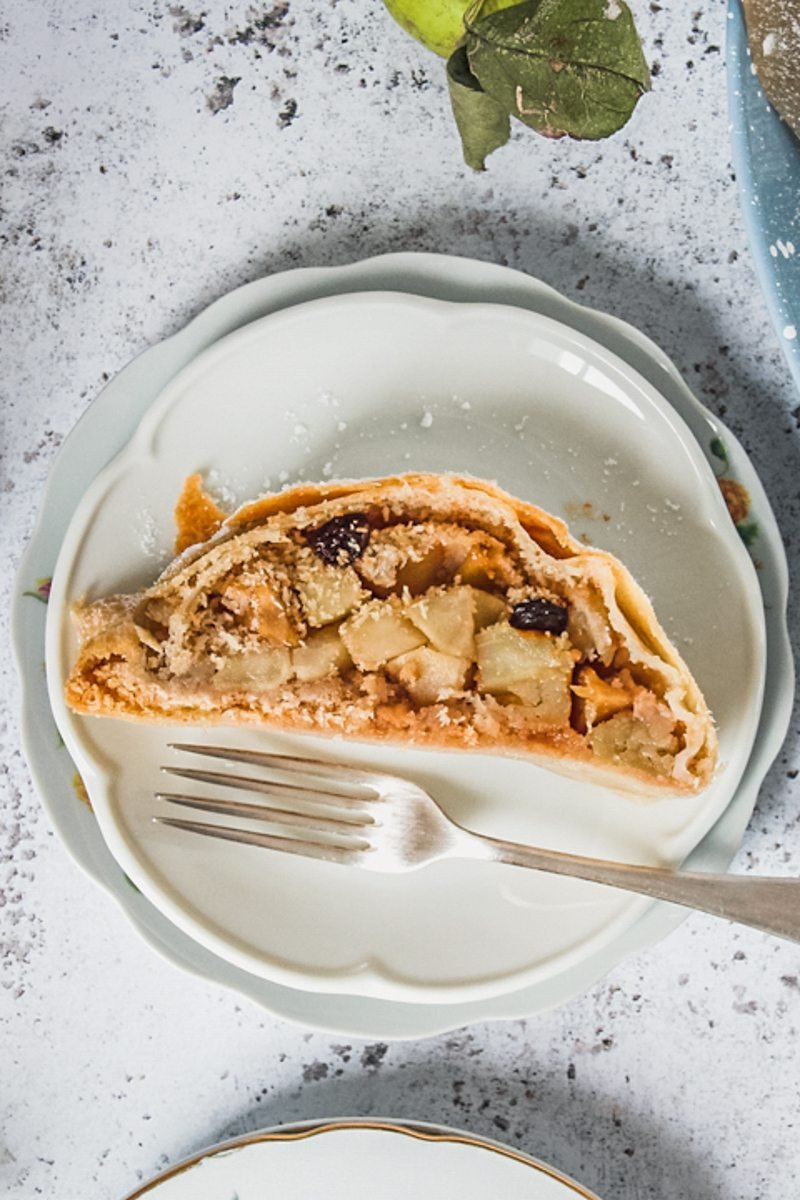


Austrian Cheesecake Strudel (Topfenstrudel)
Ingredients
Pastry
- 270 grams homemade or ready-made strudel/phyllo pastry
- 80 grams / 2.8 ounces butter melted
Filling
- 110 grams / 2 large eggs room temperature and separated
- ¼ teaspoon sea salt
- 500 grams / 1 pound quark room temperature and strained
- 50 grams / 3 ½ tablespoons butter melted
- 14 grams / 1 tablespoon vanilla sugar or 2 teaspoons vanilla extract
- 10 grams / 2 tablespoons lemon zest finely grated
- 84 grams / ¾ cup + 2 tablespoons confectioner’s/icing sugar
- 20 grams / 2 tablespoons semolina
- 37 grams / 4 tablespoons (1 packet) custard powder
Optional
- 50 grams / ⅓ cup raisins as is or soaked in rum
- 35 grams / 1 small egg room temperature and whisked
Instructions
- Preheat the oven to 180C/350F and brush a tray or tin (one used here is 21 x 30 cm or 8 x 12 inch rectangle baking tin) with melted butter and set aside.
Pastry
- Lay one layer of the phyllo pastry onto a piece of parchment paper or tea towel that is at least 2 inches larger on all side.
- Brush the phyllo sheet with butter and lay a second layer on top, brushing and layering until all your phyllo is layered. Set aside. (See note)
- Add the egg whites and salt into a large bowl and whip until stiff, approximately 8 minutes. Set aside.
Filling
- In a separate bowl, add the egg yolks, quark, butter, vanilla sugar or extract, lemon zest, sugar, semolina, custard powder and raisins.
- Whisk until mostly smooth (there might be a few lumps from the butter).
- Add half the egg whites and fold into the quark mixture until smooth, repeat with the remaining egg whites until your mixture is smooth.
- Spoon onto the center of your pastry and fold the edges over before lifting up your parchment paper or towel up to help fold the pastry around your filling into a log.
- Place the dough onto your baking tray seam side down (if it's not a tight log, it might be a little messy, but that's fine)
- Brush over egg and bake for 40 minutes or until golden all over.
- Remove and allow to cool on the tray before placing on your serving tray.
- Sprinkle over confectioners or icing sugar, slice and serve alongside a hot drink.
- Dig in!
Notes
- Phyllo pastry: Thin layers of phyllo sheets or filo pastry create layers of beautiful light layers between this orange custard. You could replace with puff pastry, though this would likely result in a different texture. You can replace this storebought with a homemade strudel pastry as found here.
- Quark: Quark is more commonly used in Central Europe due to it’s very light creaminess. If you cannot readily purchase Quark one almost exact substitute would be Greek yogurt or fromage frais or a richer substitute would be drained ricotta in equal measure.
- Layering the pastry: The butter needs to stay warm within the layers of pastry in order to roll correctly. If the room temperature is on the cooler side, you could pop the tray with the pastry into your warm oven for 30 seconds-1 minute or pop it on top of a recently used toaster. Alternatively, you could choose to layer the pastry after mixing the filling, but you don’t want to lose the volume in the filling either, so will want to work quickly.
- Rolling the pastry: The cheesecake filling is very light so it’s easiest to lay the pastry on top of parchment paper and use that to help reinforce the rolling of the pastry to make the job quicker.
- Best served: Traditionally served warm, often shortly after coming out of the oven. The warmth enhances the aroma of the vanilla and lemon, and the filling remains soft and creamy. However, it is also delicious at room temperature or chilled, making it versatile for different occasions.
- Best stored: Though it’s best enjoyed the day it is made, leftovers should be in an airtight container at room temperature for up to 24 hours or in the refrigerator for up to 4 days. If refrigerated, let it come to room temperature before serving, or warm gently in the oven to restore the crispness of the pastry.
- You can freeze either baked or unbaked:
If unbaked: Assemble the strudel, wrap tightly in plastic wrap and foil, and freeze for up to 3 months. Bake from frozen, adding 10–15 minutes to the baking time.
Baked: Cool completely, wrap well, and freeze. Thaw overnight in the fridge and reheat in the oven to crisp the crust.
Nutrition
Subscribe to receive a free weekly newsletter using seasonal produce as well as exclusive content!
Made it and loved it?
If you have made this recipe, it would mean so much to leave a review below to help more people find this.

Leave a Reply