
You take a slightly jiggly, a little wobble wobble out of the oven and cool it for several hours. Before turning upside down to reveal a sauce running over the surface of this much loved baked custard. Today we are speaking about flan. Not the one in the pastry (that is for another day), but the one that is most well known by two names - flan in many corners of the globe or creme caramel.

Table of Contents
For those who don’t know me, my name is Sylvie and I run a baking website called roamingtaste.com. But I’ve also spent countless hours studying the history, science and fundamentals of baking, ingredients and desserts and this video topic was suggested by am5064. If you have any desserts or baking ingredients you’d like me to cover, do let me know in the comments!
Now, let’s get into
The creamy chronicle
"A silky slice in Mexico, a dense quesillo in Venezuela, or an elegant crème caramel in France, the story begins in ancient Rome."
I’m going to apologize here for any mistakes made in this video in my pronunciation of various languages. There are multiple languages and I'm likely to mispronounce something. It doesn’t really matter what you call this dessert around the globe,
"Flan traces its roots back to ancient Rome, where it was known as "flado," a term for flat cakes. The Romans created this early version using eggs, milk, and honey, but it wasn’t until the Middle Ages that flan began to resemble the dessert we know today. As the recipe spread across Europe, it evolved, incorporating caramelized sugar and different flavorings."
As per Discover the Timeless Delight of Flan by Fonze
The basis for creating this light custard is thanks to having to be innovative as (The Unique History of Flan, a World Traveled Dessert) Katie Straw explains
"The Romans were the first to domesticate chickens and they found themselves in the middle of an egg surplus. So they used techniques they stole learned from the Greeks to develop new egg-based recipes."
"most versions of the dessert were savory rather than sweet and included flavors like eel sprinkled with pepper. But a few early recorded recipes contained the only sweetener of the day: honey."
Personally, I couldn’t imagine being served flan flavored with eels, but hey, to each their own. As mentioned in this video, honey was often the only sweetener other than seasonal fruits throughout most of history. So it makes sense to see how a dessert version of flan at this time, would include it also.
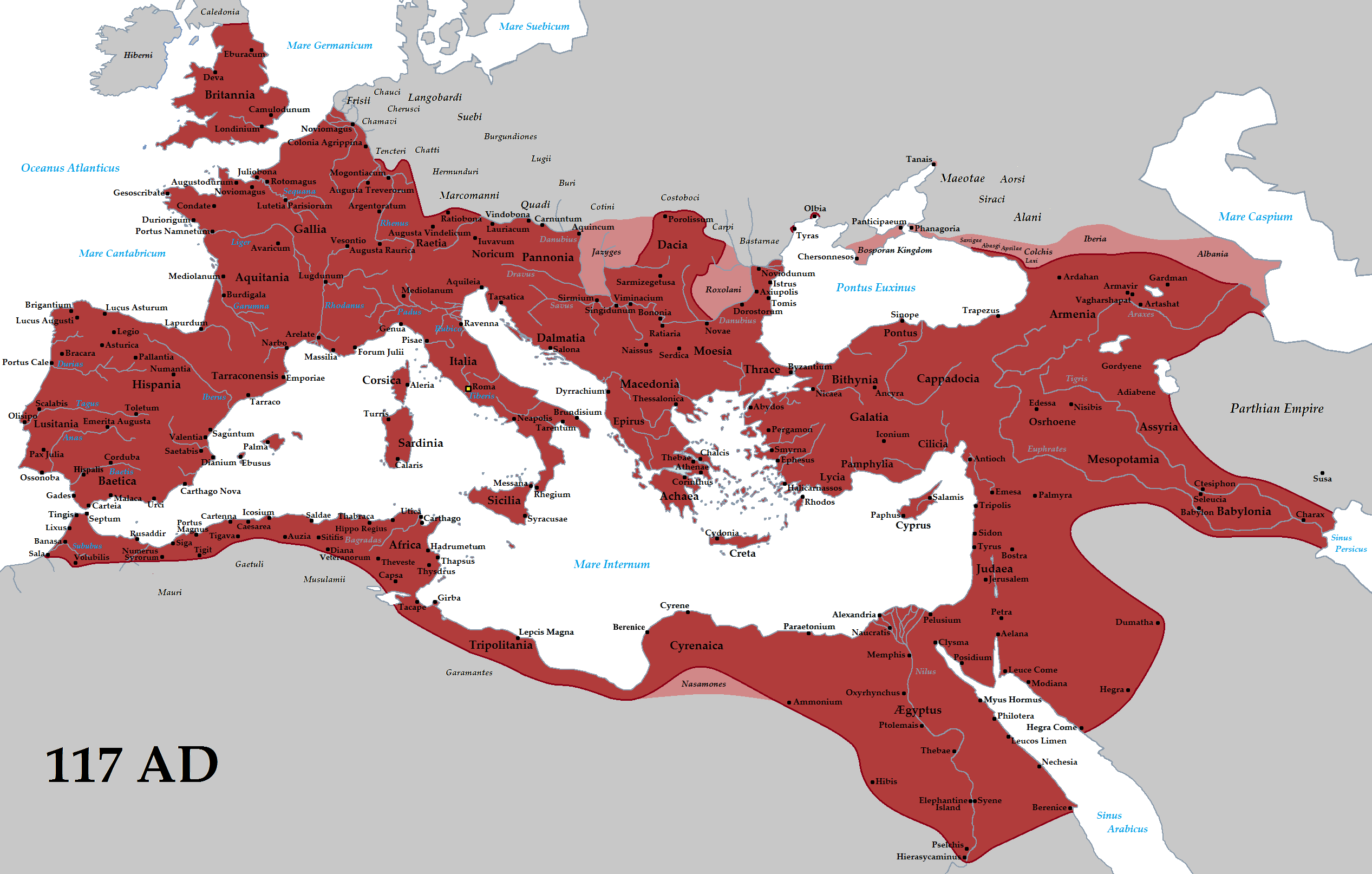
"When the Roman Empire fell in 476 CE, flan survived and became the sweet delicacy that gripped the newly conquered lands."
Quoting from The Surprisingly Extensive History of Flan

We see in this quote that flan had already been introduced to nations outside Rome thanks to their empire. And this is just one of the many things that survived that empire’s existence. But in usual style, we see a shift as time moves ever forward and gain some insight into how another beloved custard dish got it’s intro throughout multiple places across the globe thanks to The History of Parisian Flan
"The original flan, known as “flado” or “flaon”, was a pie filled with fresh cheese and prepared with a shortcrust or puff pastry base. These recipes are mentioned in culinary texts from the Middle Ages and were enjoyed in different regions of Europe."
The origins of
"The word flan is the French equivalent of the Latin word “fladon,” which comes from the Old High German word “flado,” meaning “flat cake."
When we consider that flan is most often served as a round dessert; the term flat cake makes sense because it does resemble a cake. But obviously the texture is incredibly different.

Around the same time as some parts of Europe were making flan with fresh cheese and a pastry base,
"The Moors assisted with some flavorings still used today, such as citrus fruits and almonds. On the other hand, flan has mostly remained the same egg, cream, and sugar mixture over the years."
The term Moors refers to people in parts of Northern Africa and Spain and this aligns with using citrus fruits and almonds, which are a plenty in these nations. And how some other parts of the globe came to include some flavorings in their flans also.
Thanks to the article Flan: The Awe-Inspiring 2,000-Year Evolution
"In the Middle Ages, cooks across Europe added sweeteners to the mixture to create a softer, custard-like dish."
And we see this texture further cemented and added to in the article The Unique History of Flan, a World Traveled Dessert by Katie Straw
"Of all the peoples introduced to this dessert, the Spanish were particularly taken with it (and were the first to top it with a sweet caramel sauce). Like the Romans before them, the Spaniards brought flan to new lands, when in 1518, the famous conquistador Hernán Cortés landed in the Yucatan Peninsula of Mexico."
Now I did some research on Hernán Cortés, who you could say has a complicated reputation and for good reason. The fact he was apart of the first wave of Spanish colonizers in the America’s is likely the reason he is associated with bringing Flan to Mexico.
The article The Surprisingly Extensive History of Flan noting
"While there is no direct evidence that Hernán Cortés brought flan when he landed in Mexico’s Yucatan Peninsula in 1518, the Spanish culinary tradition of flan spread throughout Latin America in the centuries that followed."
(Flan: The Awe-Inspiring 2,000-Year Evolution)
"Once the flan reached the New World through Spanish colonization, the caramel layer was already a defining feature."
Flan continued it’s travels throughout Central and South America, cementing itself within multiple countries where it’s still beloved today, but Spain didn’t just colonize this part of the globe, nope. Thanks to the article Make Flan Not War by Inkstick
"Spanish colonialism brought flan — originally a Roman dish — around the world. Tables not only in New Mexico and the Philippines but across Latin America now feature the creamy custard. Legend has it that Spanish missionaries in the Philippines used egg whites to mix with quicklime to build churches and made leche flan, the Filipino term meaning milk flan, with the leftover yolks."
And as already mentioned, Spain wasn’t the only one who loved Flan
"France developed its own refined custard dessert: crème caramel. Its ingredients are almost identical to Spanish flan."
Quoting there from Flan: The Awe-Inspiring 2,000-Year Evolution
And though we’ve dug into the name flan, well according to Wikipedia
"The names crème (caramel) renversée (French) and crema volteada (Spanish) allude to the custard being turned over to be served."
The French version has a more recent documentation than the Spanish, though by this time you could say Flan had been on it’s international expedition and come back to Europe.
"crème caramel or flan in its modern form, with soft caramel on top, and prepared and cooked using a bain-marie, is first documented in La cuisinière provençale by Jean Baptiste Reboul published in 1897."
European nations also took their colonization to the Asian continent where we see it in multiple countries today with Flan: The brief history of its travel from Spain to Vietnam noting
"The difference between the Vietnamese one and the European ones is that the Vietnamese ones are typically smaller and usually steamed."
There are variations of flan throughout the world from Bangladesh where it is
"known as (egg pudding) or simply (pudding)."
This is a leftover from the Portuguese who “settled” in Chittagong in 1528 before leaving in 1666.
To Cambodia, Thailand, Brazil, Chile, Costa Rica, Croatia, Cuba, Dominican Republic, India, Japan, Philippines, Portugal, Puerto Rico, Spain, Mexico, Vietnam and France.
I’m not even listing every country that has a variation of this dessert by the way. I want to be clear that its beloved and has many variations. with the core components being incredibly similar throughout most of the globe.
If Pitbull is truly Mr Worldwide then Flan should be his favorite dessert!
Flan is also not known by the same name throughout the globe. Kind of in the same way the name Michael is not the same in every language. In Vietnam it’s called Banh Flan, whereas in Chile it’s known as Leche Asada.
As the article Flan: The Awe-Inspiring 2,000-Year Evolution states,
"Flan has traveled further than most desserts ever will."
Yes, this whirlwind history can’t really include the homes this dessert has shown up in. The families, special occasions, comfort meals it’s been apart of. But the fact that humans the globe over have not just fallen in love with this dish, but held onto it and made it apart of their lives speaks to an intrinsic value of this custard dessert.
If Flan were a person, it would be the one everyone likes. You probably know someone like this and have them in mind that represents this in your life. It doesn’t matter where they go, who they meet, people love being in their company. That is Flan! No matter where it goes, it’s made itself comfortable enough to become part of the fabric of so many cultures and countless lives.
Caramel layer
Flan is effectively a two layer dessert. Though one of those layers is so minimal that it’s basically a sauce. But there are still a bunch of things to consider when it comes to the caramel. Before we get into the how, we need to understand the what. What are the layers of flavor when we have some on the edges of our spoon.
Samin Nosrat in her book Salt, Fat, Acid, Heat explains it beautifully (as usual),
"As it caramelises, a single sugar molecule will develop into hundreds of new and different compounds, including some acids. In other words, equal amounts of sugar and burnt caramel by weight are not equally sweet and in fact caramel is acidic."
"In addition to producing acidic flavour compounds, caramelised sugars introduce a slew of new qualities and flavours, including bitter, fruity, caramel, nutty, sherry, and butterscotch."
So what does the caramel bring to this dessert? It brings depth, nuance. Without the caramel layer, flan wouldn’t be as memorable or have us reach for another spoonful as quickly. It’s that thin layer of caramel sauce that makes this dessert what it is.
Now that we understand the flavors, there is another side to the what that we need to consider.
What ingredient is required for caramel?
As Flan reaches so many parts of the globe and each nation makes it ever so slightly differently, we need to go on a bit of a tour, eight countries to be specific. 3 recipes from each which accounts for 24 recipes that will be our reference for the ingredients used in this episode.
According to Ayesha Nemat Khan on her Substack
"caramel is just melted sugar."
13 of the recipes in my research didn’t specify the type of sugar needed for the caramel. Though some did include pictures and the sugar looked eerily similar to all the types called for in the remaining 11 recipes.
10 called for granulated or white sugar which are the same thing. And the remaining one is caster sugar, with a finer granule than granulated or white sugar. Despite the granule size, all the sugar’s called for are refined white sugars.
Most caramel calls for refined white sugar as it adds a neutral sweetness. Whereas if you were to make a caramel with brown sugar, for example, due to it containing molasses, the caramel is more inclined to have a deeper and more complex flavor that includes bitterness.
Now we’ve covered the what’s, let’s get into the how. How is the caramel made?
There are two ways to make caramel, referred to as wet or dry.
Dry simply means making caramel with just sugar in your pan. Whereas wet refers to caramel made with sugar and water.
Anyway, 10 of the 24 recipes call for just sugar. This is the dry method. Whereas 13 call for sugar and water; this is referred to as the wet method.
So let’s consider what each is.
Flour and Spice notes that
"Wet is … a little more forgiving"
And according to Ayesha Nemat Khan on her Substack
"Water doesn’t stay in the finished caramel; it boils away during cooking. But it’s like the training wheels on a bicycle: there at the start to help you get going, then gone when you’ve reached your goal."
And Flour and Spice explains
"Dry means you sprinkle the sugar in your pan and let it change colour. If you are comfortable making caramel then this approach minimizes crystallization. However, the color change happens more rapidly here so keep close watch on the colour."
Whilst Ayesha Nemat Khan’s Substack regarding this type of caramel reflects;
"Without water, sugar melts faster (as in the “dry” method) but requires more precision to avoid burning."
Where a recipe is calling for water alongside the sugar, or if you’re not particularly confident as a baker; search for a flan recipe where water is called for to give you those ‘training wheels’ when making the sauce.
Though, if you have a beloved family recipe that calls for only sugar in the caramel, we’ll go over making it to give some tips to help provide a little confidence.
Making caramel is best done with a pan that has a light color. Why does the color of the pan matter?

It helps you gauge when the caramel is done much more easily, because the color of the caramel is imperative to the flavor.
Chef’s Resource also advises to
"Avoid non-stick surfaces, as they make it difficult to monitor the color transition and often prevent the sugar from heating at the necessary intensity."
King Arthur Baking puts it well in their article An expert's tips to nail your flan
"Caramel cooked to a light golden color is milder, while caramel cooked to a darker amber color has a more robust flavor."
So the lighter the color, the sweeter or lighter the caramel flavor is when compared with a dark caramel which tends to have more bitter undertones.
Regardless of whether you make a dry or wet caramel, dissolving or heating the sugar evenly is key to achieving a smooth sauce.
Medium-low heat allows the sugar to dissolve and caramelize more evenly. When making a dry caramel, some people prefer placing a lid on the pan for a few minutes to allow the heat to distribute more throughout the sugar.
Some sprinkle a portion of sugar into their pan and wait for it to dissolve before adding another layer of sugar, repeating until the sugar has completely dissolved. I personally haven’t tried either of these methods so can’t speak for how they might make the process smoother. But all the caramel I make for my flan is the dry method so am very aware I need to be watching it.
A point that comes up a lot when cooking the caramel sauce is the question to stir of not to stir.
In the The Surprisingly Extensive History of Flan, it is recommended to
"Let it melt and caramelize before giving it a gentle stir."
Whilst King Arthur Baking advise to (An expert's tips to nail your flan)
"Only stir if you notice the caramel is browning unevenly."
Finally Flour and Spice note
"but stirring can cause crystallization. Just gently swirl your caramel to get rid of pesky sugar crystals."
Crystallization has been mentioned a couple of times and it’s best explained by Chowhound in their article The mistake that causes crystallizing caramel and how to fix it
"When you heat the sugar, it melts and turns into a semi-liquid. However, if you're not careful, the sugar will revert to its crystal form, which is how you'll find lumpy and grainy masses collecting at the top of your browned caramel."
"sugar will take any opportunity to revert to a solid."
And when it comes on whether to stir or not, Chowhound advises
"Too much agitation can cause the sugar to recrystallize!"
Now, for the one recipe on roamingtaste.com, my aforementioned website, which is a Mexican recipe btw. I have never had much luck with my caramel, whether stirring or not. I’m weary of burning it and usually cook it until it looks caramel in color, but it’s always been on the thicker side. Therefore, its a thick swirly sauce in the pan, but the minute I pour it into my dish, the mixture sets so quickly I cannot actually spread it around my dish properly. This is an issue I’ve seen crop up in some comment sections and needed to solve because it was virtually impossible to find why this was happening. A lot of people asking the question seem to end up with answers regarding the caramel sauce during the unmolding process.
With all this in mind, I refer to Andrea Loret de Mola who might make the best flan. Her method is to begin breaking up the larger pieces of undissolved sugar in the pan. She heats her sugar on medium low heat and once most of it has dissolved, stirs the caramel with gumption whilst it bubbles away.

According to Andrea’s comments on her Instagram, she has never made a caramel with water. But heating and stirring the sauce once the sugar is dissolved is key to it retaining enough heat to swirl around your baking dish once you remove it from the heat.
Really studying Andrea’s techniques got me to the best caramel sauce I’ve ever made for flan. Because I was making this video, I had to really revisit the flan on my website. For the three flans I baked, I made 8 caramel sauces. Every single caramel sauce that was discarded was done so because it didn’t spread around my baking dish. It was only when I cooked the sugar until it simmers that the right texture was achieved.
I always er on the side of caution because caramel is one of those things you need to work fast with. In all my previous caramel sauces for flan, it had been a lack of stirring that meant my sugar was likely not fully dissolved. Even when it was the right color. Cooking it until simmering ensures the sugar is all fully dissolved. This will provide the right texture to coat the entire base of your baking dish.
Whilst doing research after having two failed caramel sauces soaking in my kitchen sink, took me down a path where people add water to their caramel sauce after it’s cooked. Someone mentioned in one comment section they’d ruined a few caramel sauces, but adding 1-2 ladlefuls of warm water to their sauce and stirring. Then returning to the heat for 1-2 minutes is what helps stop it from cooking so it won’t go a darker color as quickly as without the water, but also ensures it stays workable whilst you coat your dishes.
You do have to proceed with some caution when doing this method though as the sauce will splutter a little as you add the water. So you need to be able to work in relative peace with no children around to distract or potentially end up with hot caramel on themselves or yourself.
Once you have that nice and smooth sauce. When you remove it from the heat it is incredibly hot, but it’s important to remember
"Prepped caramel hardens fast."
Quoting from The Surprisingly Extensive History of Flan
When it comes down to adding to your baking dish, Chef’s Resource provides helpful advice
"When pouring the caramel into your ramekins, work with efficient, deliberate movements."
You have to
"rotate the pan immediately to coat the bottom and some of the sides before it hardens."
Quoting there from An expert's tips to nail your flan.

When I say it sets quickly, it sets so fast as stated by Chef’s Resource
"As soon as the sugar touches the cool ceramic or glass surface of the mold, it begins to harden. You have roughly 10–15 seconds to tilt and rotate the mold to coat the bottom evenly before the caramel sets into a brittle layer."
It’s vital to ensure the caramel has completely cooled before pouring over the custard. On that note…
The custard
If the caramel layer is like jewelry on a look, then the custard is the main outfit.
The custard in flan is where ingredients get a little more interesting and there are several types of dairy and flavoring options.
Before we get into those ingredients, we’re going to start with a key ingredient to virtually all custards. Eggs. They are imperative here. As they don’t just help to provide the color and flavor, but also set the texture within the dessert.
This is best explained in the book On Baking - A Textbook of Baking & Pastry Fundamentals by Sarah Labensky, Priscilla A. Martel & Eddy van Damme
"Whole eggs are used in a simple egg custard such as flan to provide both richness from the fat in the yolk and structure from the protein in the white. This is important in order for the flan to maintain its shape when unmolded."
Every single one of the 24 recipes in my research, included whole eggs and 4 included a mixture of whole eggs alongside egg yolks. And wonderful Kassie Mendieta from ibakemistakes expands
"When using whole eggs the whites provide additional protein without the added fat from using 100% egg yolks. These proteins are what give the final flan a firmer almost bouncy consistency. Over all when using whole eggs the flan is lighter in color and flavor."
None of the 24 recipes in my research call for egg yolks only, but if yours does, Kassie Mendieta best explains that
"Using all egg yolks on the other hand, provide fat and richness with a smooth, creamy texture. Though the lack of whites means losing the structure their proteins provide. While yolks are not completely devoid of proteins they do not have nearly enough to have the same effect using whites would."
If you’re seeking a custard with a richer and creamier texture with a more enhanced yellow color than having more egg yolks than whole eggs is a better option in the custard. Whereas, if you prefer a slightly firmer, but still bouncy texture, a flan made with only whole eggs is the better option.
If you’re working with a beloved family recipe, but you personally prefer a slightly different custard, you can amend the recipe to achieve a texture more in line with your preference. Tasting Table recommend
"a couple of whole eggs being replaced by an equal number of egg yolks. Or, by using half the amount of whole eggs and the other half as egg yolks."
This is best done though as Kassie Mendieta notes
"When making the swaps for eggs you have to go gram for gram. So if you want to sub egg yolks for whole eggs, instead of subbing two yolks for two eggs. You’d sub about 2-3 yolks for 1 egg. Because each yolk weighs 15-20 grams whereas a whole egg weighs 50 grams."
The size of your eggs also comes as a factor here. Virtually all American recipes will mean large eggs which weigh around 55 grams with an egg yolk weight of approximately 18 grams. So 3 egg yolks will successfully replace 1 whole egg. But if you’re working with smaller eggs, a scale is a good thing to have on hand to calculate the amount of yolks needed here.
Because flan is one of those desserts that is incredibly personal. And in so many parts of the globe has likely been apart of some very important celebrations and events, I don’t feel that saying using whole eggs or only yolks etc etc is better here. You know what you love about this dessert when you’re consuming it. That is what should ultimately help you decide what you’re going to use when making this.
Though if you’re not sure and you’ve tasted Flan, but never made it, Tasting Table provide their opinion here
"The bottom line is that a compromise of whole eggs and egg yolks is essential to achieving the best flan. Whole eggs will contribute to a firm texture, while egg yolks will add richness."
Now, some people have allergies to eggs and no flan or custard is the same without this pivotal ingredient. Though there are a bunch of vegan flan recipes online that provide an eggless alternative. In the 3 I reviewed, all used agar agar powder as a replacement. This is a vegan gelatin that helps to provide the right texture though the result is more in line with a panna cotta.
If you’re not vegan, you could replace this with gelatin. Though a note that gelatin and agar agar cannot be replaced or substituted in equal measure. So it’s best to do your research and ensure you’re using the right amount for the dessert to have the right texture.
And if you’re not vegan, whatever dairy is being called for can be used, as normal.

On the topic of dairy, 13 of the 24 recipes in my research call for only milk with an additional 7 calling for a separate dairy alongside milk.
Thanks to the article Egg Coagulation in the Kitchen: Custards, we see why dairy is so vital here as it’s providing the right environment for the eggs to set.
"The more liquid we add, the sparser the protein network and the more delicate the custard."
All recipes that call for milk are calling for whole milk, which has a higher fat content and creamier mouthfeel. It is complimentary to the eggs and sugar in our recipe. Chef’s Resource explains why this is such a pivotal ingredient
"The primary role of milk in flan is to distribute heat slowly, preventing the egg proteins from curdling too quickly."
Okay so for anyone who simply hates whole milk or prefers using lower fat varieties, lets consider if you can replace it here.
"Using skim milk drastically increases the water content, which prevents the egg proteins from binding properly."
The lesson is pretty clear, whether milk is the only dairy called for or it’s used in conjunction with another dairy product, whole is best.
One of the recipes in my research called for milk, but in the instructions it requires cooking it down until it’s more of an evaporated milk.
In her substack article Flan by Kassie Mendieta from ibakemistakes; Kassie explains what evaporated milk is.
"Traditionally a key player in flan. It’s fresh milk that’s been heated to the point that 60% of the water content evaporates. Through this process the final product is a little sweeter and a little creamier than fresh milk."
And Food Network expands
"The thick, creamy and caramel-coloured liquid adds sweetness and richness to all manner of desserts without the moisture content of regular milk."
Only 1 of 3 recipes using evaporated milk calls for it without milk alongside. This means the creamier texture with less water content, when compared to whole milk; creates a smooth baked custard. This is going to be ever so slightly sweeter than when simply using milk because it’s a more concentrated product.
It’s helpful to know that
Evaporated milk can be subbed in for milk
For the time being, we’re going to set evaporated to the side and consider sweetened, also known simply as condensed milk. Five of the 24 recipes in my research call for sweetened condensed milk. In one recipe it is the only dairy used. Another calls for evaporated and condensed and three call for milk and condensed.
Chef’s Resource notes
"It provides the necessary sugar for the set and replaces the need for extra cream due to its reduced water content and high solids."
And one of the best reasons for making flan with sweetened condensed or condensed milk is
"Because the sugar content is so high, it effectively binds the water in the milk, resulting in a custard that is almost impossible to overcook or curdle, provided the heat remains low."
We’ll come back to baking it, but in the meantime, there is one other dairy that might be called for in a flan recipe.
With 3 of the 24 recipes calling for cream; though only one calls for solely cream. Of the three recipes, one doesn’t specify the type of cream required. One calls for heavy cream and another calls for whipping or even half and half alongside milk.
Kassie Mendieta reminds us why cream can be a great ingredient, particularly for creamy desserts like flan.
"Fat is flavor and fat is texture. Heavy cream has a fat percentage of 36%."
A recipe that calls for cream or a mixture of cream and milk means you have more control over the sugar or sweetness of the custard. The cream can also mean a richer creamier custard.
According to the Global Cold Chain Alliance (an organization for cold stuffs) evaporated milk has at least 7.5% fat content whilst sweetened condensed has at least 8.7%. So that fat is pretty consistent between them whilst whole milk is around 3.25% fat.
Foods Guy explains the difference in fat content between cream types.
Half and half
"should be at least 10.5-12% but not higher than 18%."
Sitting around double that, the
"fat content of whipping cream, which is between 30 to 36%"
And we see the
"content in heavy cream is at least 36%"
Sharing the fat content is to note the type of flavor and texture you’re creating. As Kassie says fat is flavor and texture. Though, fat in a dessert can also make it ‘heavy’ on the palate. With Chef’s Resource providing some great advice when using it here
"While it creates a richer dessert, it is not “too heavy” as long as you balance the fats with the correct number of eggs; keep the ratio to about 1 part cream to 3 parts milk."
When a flan recipe calls for cream; it helps to think about what it’s bringing to the dish. It’s helping to create a smooth flavor profile with a creamier undertone than when using milk. And like any of the other dairy ingredients, it helps the custard set uniformly.
Like milk, it’s also helpful to remember
"Heavy cream also has a lower sugar content than evaporated milk making it a little less sweet in comparison."
So if we want slightly more control over the sweetness in our dessert, it’s better to choose milk, cream or a mixture of the two. If we want a slightly sweeter or caramel flavor, the milk can be replaced with evaporated milk. Ultimately, if a flan calls for more than one dairy it’s likely that it’s helping create a more balanced flavor on our palate.
In the recipe on my website, it actually uses three types of dairy, condensed, whole milk and cream for a super tender custard.
Like the caramel sauce, there is really only a small mixture of refined white sugars in the 24 recipes in my research. 13 of the recipes don’t specify the type of sugar. But some do include gram amounts and the color of the custard indicates virtually every one of those flans did use granulated, white or caster sugar. 5 of the 24 recipes call for granulated and a further 1 each call for white or caster sugar.
Refined white sugar does in the custard what it does in the caramel - it creates a neutral sweetness. This helps create a smooth flavor without adding additional undertones.
Two of the recipes in my research omitted sugar thanks to one including condensed milk whilst the other uses evaporated and condensed milk.
In many traditional custard there are only three ingredients, milk, eggs and sugar. And what the sugar and milk do in the custard, is to slow the coagulation or thickening of the eggs as it cooks to create that jiggly soft and almost melt-in-your-mouth texture.

Lost in science explains
"the different proteins coagulate at different temperatures, but overall a whole egg, that’s yolk and white combined, sets at about 73°C. But in custard it’s diluted – a basic recipe is one whole egg to 1 cup of milk and 1 tablespoon sugar – so it thickens at a higher temperature, about 78-80°C."
A whole egg sets at 73C or 163F. But that’s increased with the dairy and sugar to 78-80C or 172-176F.
“The sugar is coating and physically blocking the proteins from getting together” until the temperature rises further,”
notes Guy Crosby from America's Test Kitchen, regarding the proteins in the eggs that will adhere together. And without that sugar it would set quickly and create a firm crust, which is not what we’re looking for in a flan.
As none of the recipes in my research call for alternative sugars. It’s likely that other types would add additional flavors that in some cases might overpower the flavor of the dish.
On the topic of flavoring the dish, well 20 of the 24 recipes call for some type of flavoring to the custard. 13 of these call for simply vanilla extract or essence. Though extract is made by soaking vanilla beans in alcohol, usually vodka or rum for at least 3 months. Whereas much cheaper vanilla essence is synthetically flavored and colored.
Though it’s not seen as an essential here, vanilla helps to add dimension to your baked goods. In this case, it helps to cut through flavors of the eggs or richness of the dairy. Balancing all the ingredients to create the right dimension to the custard.
A further 6 recipes call for vanilla alongside other ingredients from orange or lemon peel, to cardamom, cloves or rosewater. Citrus peels contain oils so this helps to cut through some of the richer elements in the eggs or cream, condensed milk etc. Spices act in a similar way to citrus peels, so add what you prefer to the custard, if you’re not a purist.
If this is not the first time you’ve seen one of my videos you might have heard me mention before how much I love an infusion, such as in the Posset video. Well, one thing you could try if your recipe calls for milk or cream is to measure out the liquid you need for the recipe into a container with a lid and add in the citrus peel to cold infuse in the fridge overnight.
Or add the milk and cream into a saucepan and heat on low with the citrus peel or spices until lightly simmering at the edges before allowing the mixture to cool completely. This will strengthen the undertones and you can discard at the time of making the custard.
One point that is small, but relevant when it comes to flavorings as stated by Katie Straw in The Unique History of Flan, a World Traveled Dessert
"The Mexicans took flan to a whole new level. They created coffee, chocolate, and even coconut flavors and the recipes became popular not only in Mexico, but the rest of Latin America."
You could take some inspiration and use coconut milk in place of the milk in the custard or add a little strong coffee. Though, we know vanilla is a classic for good reason, for the purists out there.
Similar to vanilla, only 8 of the recipes in my research call for salt in their custard.
This might seem a little silly as an ingredient. Though Kassie Mendieta from ibakemistakes explains why it is helpful to add
"Salt is going to mellow out and balance the sweet while bringing forward the milky notes of the cream."
Salt is known for offsetting bitterness. If you happen to have caramelized your sugar a little too much, adding salt to the custard should help create a more balanced flavor in a spoonful of flan.
If you’re working with a beloved flan recipe and it doesn’t call for salt; add ⅛ teaspoon or a pinch of salt to your custard and see what you think of the flavor. You might be surprised.
Making it
In the article Discover the Timeless Delight of Flan by Fonze
"A well-made flan should have a silky, smooth texture that melts in your mouth."
I wasn’t going to mention the process of making flan because let’s face reality, it’s not difficult to whisk up ingredients. Strain over your caramel sauce into the baking dish.
In the way we mix the ingredients together, we can set ourselves up for failure. And that silky smooth texture we’re looking to have created, might have actually disappeared before we even put it into the oven.
Virtually all the recipes in my research were pretty brief in the directions. Though flan doesn’t take much time to prepare, King Arthur Baking (An expert's tips to nail your flan) notes
"If you overbeat the mixture of milk, sugar, and dairy, you can add air, which can lead to bubbles and a flan with a spongy surface. To avoid this pitfall, blend the dairy ingredients first until smooth, then add the eggs and blend briefly."
As King Arthur Baking notes, some recipes will call for blending all the custard ingredients together and though this is great, it can result in more bubbles.
In my experience, I’ve found it’s easiest to whisk or blend all the other ingredients together and then whisk the eggs into the dairy with a folding action. This combinea without creating bubbles in your mixture. I’ve found my mixture is much smoother with minimal effort and only slightly longer mixing time. Slightly longer is about 1 extra minute too, because you’re looking to break those eggs as much as possible with these slow movements.
And once we’ve done that it’s best to
"Always skim any foam off the top to avoid bubbles in the cooked flan, and strain the custard through a fine-mesh sieve — don’t press anything through."
I’ve seen some recipes recommend straining the custard up to 3 times to really ensure it’s as smooth and devoid of as many bubbles as possible. If you’re incorporating the eggs as I’ve suggested, with a slow folding movement, then you only need to strain it once.
Now that we’ve strained the custard, it’s
Time for the heat
The majority of flan recipes around the world requires baking it. Though some use the steam method. Reflecting a common denominator between both...
The use of hot water; with Scruff and Steph recommending
"Use medium-hot water from the tap for the bain marie, rather than boiling water from the kettle. The one time I used boiling water from the kettle, the flans formed bubbles on the sides. So now, I only ever use medium-hot water from the tap."
Whilst all the ingredients contribute something to the overall texture of the dessert, baking in a water bath; as Kassie Mendieta from ibakemistakes explains is
"a non-negotiable for flan and custard baking. Using a water bath moderates and ensures even direct heat while baking. The water bath keeps the heat from spiking helping to avoid over cooking."
Or in other words this method helps to
"ensure even cooking and prevent the custard from curdling. This gentle heat results in a smooth, creamy texture."
Like baking in a water bath, the temperature in the oven is key as Kassie from ibakemistakes notes
"Baking the flan at too high a temp without a water bath will essentially cause the flan to boil, pushing out the water content and creating bubbly, too stiff, eggy tasting flan."
"Baking at lower temps promotes even baking. This gives the flan a chance to bake evenly without the outer edges over baking and becoming bubbly or eggy."
Kassie bakes hers for 2-3 hours at a low temperature of around 135C or 275F.
One side note regarding steaming and baking flan. Is that is many people will cover the custard with aluminum foil, which is pierced to allow steam to escape. For steaming, the heat is not going to exceed 100C or 212F, so you can likely stick to the cooking time for the custard to set.
Whereas when baking, the temperature is likely going to be a bit higher and therefore if it’s covered with aluminum foil, it is more difficult to determine when it’s reached the sweet spot.
With King Arthur Baking notes what you’re looking for when it’s
"Remove your flan from the oven when it’s set around the edges but still has a soft jiggle in the center, like Jell-O."
If you’re following a recipe as is, I’d aim to let it bake for around the timing set out, though you might want to check the flan with about 5 minutes before the time and see how jiggly it is. If you’ve switched out a few eggs for more egg yolks, it’s important to consider this tip from Kassie Mendieta
"Flan made with more whole eggs will tend to bake faster than a flan with more or all yolks."
As usual baking is scientific and this is important to consider if you’re making changes to the amount of eggs in your custard.
King Arther Baking notes what the texture of your custard will be when it’s not baked just right
"Undercooking results in a runny custard that won’t hold its shape when unmolded, while overcooking results in a firm, eggy custard filled with holes throughout."
Ultimately you know what you’re looking for in a perfect flan and remember that whilst it’ll have a jiggle in the oven, it will continue cooking somewhat once removed to set further.

Once it’s baked, remove from the oven but (An expert's tips to nail your flan)
"Let it sit in the water bath until the water is room temperature, then discard the water bath and transfer the flan to the fridge to chill until fully set, at least 6 hours but preferably overnight."
Letting it sit in the water bath brings the temperature of the custard down slowly and also ensures your caramel will slide on out once you’ve refrigerated it. However, you need to consider that the flan will continue cooking in the residual heat.
The previous advice from King Arthur Baking to remove the flan from the oven ‘when the edges have just set’, but the custard is still jiggly is imperative. With the continued cooking in the water once removed from the oven you risk overcooking if you bake it for even 5 minutes more than required.
You know the edges are set because they will hold when you jiggle the dish. If the custard is more jiggly and only the edges are set that is the sweet spot. Even on a warm day, the water will cool within 10-15 minutes and if you’re using hot tap water and not boiling water, the temperature will obviously cool quicker.
Flan is one of those desserts that is absolutely best made 1-2 days prior to serving. You want to give it a real rest time between baking and serving.
When you’re ready to serve King Arthur Baking provides the following advice (An expert's tips to nail your flan)
"To unmold, run a thin knife around the edges, then dip the bottom of the pan in a larger dish filled with warm water (the one you used for your water bath is a good choice!) for 10 to 15 seconds to loosen the caramel."
I find going around the baking dish 2-3 times to ensure the edges are really loosened and this avoids it from sticking. Also, if you’re sitting the dish in warm water you’ll need to dry the dish before inverting because otherwise you’ll add water to your caramel.
Chef and baker Beth O’Brien had the mammoth task of making 9 different types of flan a few years ago for an Irish website and gives some great advice if you don’t do what King Arthur Baking are advising:
"When taking them out of the moulds, loosen around the edge with a knife and then put a plate on top and flip it over with FORCE."
And King Arthur Baking advises
"With one hand on the plate and the other under the pan, flip it swiftly and confidently."
You should have a plate with a smooth sauce drizzling over the surface and a perfect lightly jiggly custard underneath to serve up and dig into.
When considering a successful flan there are some vital things to remember. For a caramel sauce to spread smoothly over your baking dish it needs to be simmering and you need to stir the sauce once most of the sugar has dissolved. The caramel needs to be fully cooled before you pour over the custard.
A custard with whole eggs or mixture of whole and egg yolks will bake faster than one made with only yolks. Whisking the custard ingredients and then adding in the eggs and incorporating slowly is best. It is vital to strain the custard into your baking dish.
Hot water trumps boiling water for a nice smooth consistency. Once the custard is set at the edges but still jiggly throughout remove from the oven and allow to cool in the water to room temperature. Refrigerate for several hours, ideally overnight.
Loosen the flan around the edges and if you want to ensure all the caramel slides out you could sit the dish into warm water.
Making flan can feel a little overwhelming, I’m not going to lie. But I think those that make it successfully have seen loved ones make it enough times so they have more of an idea what they’re doing. If you’ve been running a little blind, like I was, well I hope you’ve found something here that will help you in future flan endeavors.
If you’ve watched this all the way through, thank you so much for your time. For those who are curious of the countries flan recipes that are included, they are all linked in the caption, I’m a little weary that some will be offended, that their country was omitted. The eight countries are Mexican, Indian, Vietnamese, Chilean, Bangladesh, Spain, Portugal and Puerto Rico. Some will say Chilean isn’t flan, but the ingredients are pretty similar, even though they don’t include a water bath. I felt a real responsibility to do some places justice that would normally be overlooked, therefore France was left out so Bangladesh could be included for example. Do let me know in the comments if there is any specific dessert, ingredient or even baking query you want covered. I will see you in the next one, thanks, Ka kite an? and tschüss
Video Essay
TIME STAMPS
- Intro: 0:00
- The creamy chronicle: 1:21
- Caramel layer: 10.09
- The custard: 22:10
- Making it: 38:15
- Time for the heat: 40:41
SOURCES:
Flan scene: https://www.youtube.com/watch?v=qjbkmhtAsJo&list=PLZbXA4lyCtqrDajRh3qwTua7J8-fptXnP&index=2
CHAPTER 1: The creamy chronicle
- The Unique History of Flan, a World Traveled Dessert: https://www.cheesecake.com/Blog/post/the-unique-history-of-flan-a-world-traveled-dessert.aspx
- Discover the Timeless Delight of Flan: https://www.thechoppingblock.com/blog/discover-the-timeless-delight-of-flan
- The Surprisingly Extensive History of Flan: https://socarratnyc.com/blog/food-culture/history-of-flan/
- The History of Parisian Flan: https://lapatisseriedumonde.com/recipes/parisian-flan-history/
- Flan: The brief history of its travel from Spain to Vietnam: https://www.tumblr.com/betterthancookingmama/15628982159/flan-the-brief-history-of-its-travel-from-spain
- Flan: The Awe-Inspiring 2,000-Year Evolution: https://foodculturebites.com/the-2000-year-evolution-of-flan/
- Make Flan Not War: https://inkstickmedia.com/make-flan-not-war/
- Wikipedia: https://en.wikipedia.org/wiki/Crème_caramel
- Roman floor mosaic: https://commons.wikimedia.org/wiki/Category:Chickens_in_ancient_Roman_mosaics#/media/File:0_Mosaico_pavimentale_–_Grotte_Celloni_–_Pal._Massimo.JPG
- Hernan Cortes portrait: https://ext.wikipedia.org/wiki/Hernán_Cortés#/media/Archivu:Retrato_de_Hernán_Cortés.jpg
- Roman Empire map: https://upload.wikimedia.org/wikipedia/commons/0/00/Roman_Empire_Trajan_117AD.png
- Image of Pitbull: https://images6.alphacoders.com/104/1048968.jpg
- I've never trusted this guy clip: https://yarn.co/yarn-clip/d4486e20-9d5a-4b2a-84cb-42fd2b98f94f



CHAPTER 2: Caramel layer
- Defining caramel: https://bakewithayesha.substack.com/p/understanding-the-science-behind-86b
- Caramel stages image: https://www.comsol.com/blogs/the-science-behind-cooking-caramel
- The mistake that causes crystallizing caramel and how to fix it: https://www.chowhound.com/1545163/crystallizing-caramel-mistake-how-to-fix/
- How to Caramelize Sugar for Flan: https://www.chefsresource.com/faq/how-to-caramelize-sugar-for-flan/
- Andrea Loret de Mola: https://www.instagram.com/andrealoretdemola/
CHAPTER 3: The custard
- Flan by Kassie Mendieta from ibakemistakes: https://ibakemistakes.substack.com/p/kick-stating-the-bake-chats-virtual
- An expert's tips to nail your flan: https://www.kingarthurbaking.com/blog/2026/03/09/how-to-make-flan
- Why You Need Whole Eggs Plus Extra Yolks For The Best Flan: https://www.tastingtable.com/1463248/why-need-whole-eggs-yoks-best-texture-flan/
- What's the Difference Between Evaporated Milk & Condensed Milk?: https://foodnetwork.co.uk/articles/whats-the-difference-between-evaporated-milk-condensed-milk
- Does Flan Have Milk?: https://www.chefsresource.com/faq/does-flan-have-milk/
- Global Cold Chain Alliance: https://www.gcca.org/wp-content/uploads/2024/07/Milk-Condensed-and-Evaporated-2024.pdf
- Can You Whip Light Cream? – How To Do It Right: https://foodsguy.com/whip-light-cream/
- The curious chemistry of custard: https://www.bbc.co.uk/future/article/20150930-the-curious-chemistry-of-custard
- Lost in science: https://lostinscience.wordpress.com/2012/04/13/custardy-battle/
- Egg Coagulation in the Kitchen: Custards: https://cccscuriouskitchen.com/egg-coagulation-in-the-kitchen-custards/
- That's obviously not what I want: https://yarn.co/yarn-clip/d62fad37-5dfd-4d1d-b535-d567c09c4681
CHAPTER 4: Making it
CHAPTER 5: Time for the heat
- We Tried 9 Different Recipes To Attempt To Recreate The Uno Mas Flan At Home: https://www.allthefood.ie/single-post/we-tried-9-different-recipes-to-attempt-to-recreate-the-uno-mas-flan-at-home
- Its science clip: https://yarn.co/yarn-clip/dce3d34f-c292-4026-9c9d-d5e7825dc3a6
- Boy, that flan was good: https://yarn.co/yarn-clip/a7e2e798-c894-45d1-8681-c52084dd4da2
- Bangladesh Flan_1: https://banglarecipes.com.au/caramel-pudding/
- Bangladesh Flan_2: https://simpleandsizzling.wordpress.com/tag/bengali-pudding-recipe/
- Bangladesh Flan_3: http://www.lovingbangladeshikitchen.com/2011/09/simple-egg-pudding.html
- Portuguese Flan_1: https://letsexplore.ch/portugal-pudim-caramel-flan/
- Portuguese Flan_2: https://chefleticia.com/2011/01/sister-sweets-part-four-recipe/
- Portuguese Flan_3:https://www.portugueserecipes.ca/recipe/1271/11/grandmas-flan-pudim-da-avo-recipe
- Spanish Flan_1: https://spanishsabores.com/spanish-flan-recipe/
- Spanish Flan_2: https://www.thespanishchef.com/recipes/flan/
- Spanish Flan_3: https://leitesculinaria.com/98876/recipes-flan-de-leche.html
- Puerto Rican Flan_1: https://thehungrydragonfly.com/2025/02/puerto-rican-flan-de-vainilla-easy-recipe/
- Puerto Rican Flan_2: https://muybuenoblog.com/puerto-rican-flan/
- Puerto Rican Flan_3: https://salimaskitchen.com/puerto-rican-flan-recipe/
- Mexican Flan_1: https://inmamamaggieskitchen.com/flan/
- Mexican Flan_2: https://www.maricruzavalos.com/mexican-flan/
- Mexican Flan_3: https://mariesaba.com/recipes/mexican-flan/
- Vietnamese Flan_1: https://scruffandsteph.com/2020/11/24/banh-flan-vietnamese-creme-caramel/
- Vietnamese Flan_2: https://jenhdao.com/banh-flan/
- Vietnamese Flan_3: https://www.theseasonedwok.com/banh-flan-vietnamese-creme-caramel-egg-pudding-recipe/
- Indian Flan_1: https://www.flourandspiceblog.com/caramel-custard-pakistani/
- Indian Flan_2: https://www.yummytummyaarthi.com/caramel-custard-caramel-pudding-baked/
- Indian Flan_3: https://www.sanjeevkapoor.com/Recipe/Caramel-Custard.html
- Chilean Flan_1: https://www.chileanfoodandgarden.com/roasted-milk-apples/
- Chilean Flan_2: https://opencrumb.substack.com/p/leche-asada-roasted-milk-custard
- Chilean Flan_3: https://www.allrecipes.com/recipe/279871/leche-asada-roasted-milk-custard/
- Roamingtaste Mexican flan: https://roamingtaste.com/flan-mexican-traditional-mexican-flan/
MUSIC
Source Damour by Arthur-Marie Brillouin
Silent Waves
- Music by: Bensound.com/free-music-for-videos
- License code: GEFOG2QAX37RXYY7
- Artist: : Nick Petrov
Hearty
- Music by Bensound.com/free-music-for-videos
- License code: B1B7YGQQ7E8UIUM0
- Artist: : Aventure
Leave a Reply